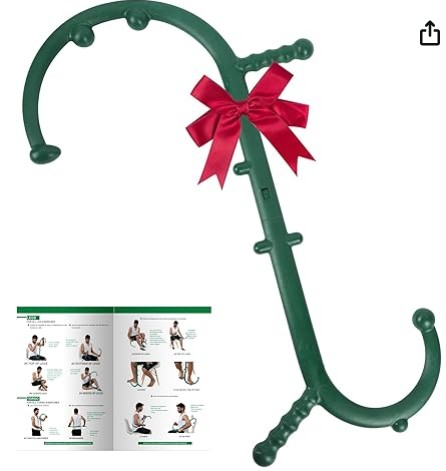
Thera Cane
The Thera Cane is a self-massage tool for applying pressure to tight muscles in your back, shoulders, and hips. Use gentle pressure only and follow guidance from your physical therapist.
Prepared by Recovery ReadyRecovery Ready— physical therapists with 30+ years of experience helping patients prepare for and optimally recover from surgery.
Last reviewed: 2026-06-12
Important considerations
- Do not use over fresh incisions, bruised tissue, or numb areas.
- Avoid aggressive self-treatment if you have blood clot concerns unless cleared.
- Stop if pressure causes sharp pain, tingling, or spreading numbness.
- Ask your surgeon before using near a newly repaired joint or tendon.
How to use
- Hold the cane with both hands to reach mid-back or hip areas as taught in your home program.
- Press gradually into muscle tissue, not directly on bones, joints, or surgical incisions.
- Hold pressure for a few seconds, then release; avoid rapid digging motions.
- Breathe normally and keep your posture supported in a chair if needed.
- Limit sessions to the duration your therapist suggested.
- Clean the knobs after use if shared among household members.
Tips & tricks
- Start with light pressure and increase only if comfortable.
- Focus on areas your PT identified, not random painful spots near surgery sites.
- Use before or after prescribed exercises only as your plan states.
- Store where you can access it safely without bending deeply.
Good to know
- Self-massage tools can complement—not replace—hands-on PT care.
- Many patients use them for muscle soreness from changed gait patterns.
- Your therapist can mark safe zones and techniques for your stage of recovery.
Frequently asked questions
Is the Thera Cane safe after joint replacement?▾
Often for distant muscle groups once cleared, but never on the surgical joint itself until your surgeon or PT approves.
How hard should I press?▾
Mild to moderate discomfort in muscle only—never sharp pain. Follow your therapist's pressure and time limits.
Is the Thera Cane safe after joint replacement?
Often for distant muscle groups once cleared, but never on the surgical joint itself until your surgeon or PT approves.
How hard should I press?
Mild to moderate discomfort in muscle only—never sharp pain. Follow your therapist's pressure and time limits.